


Are Motorists Really Out to Get Motorcyclists or Just Reckless Drivers?

Riding a motorcycle often feels like a thrilling experience, but many motorcyclists share a common frustration: the perception that motorists are "out to kill" them. This phrase is more than just an expression of fear; it reflects real concerns about safety on the road. But are drivers truly targeting motorcyclists, or is the problem rooted in reckless driving? Understanding this issue requires looking at the facts, human behavior, and road dynamics.
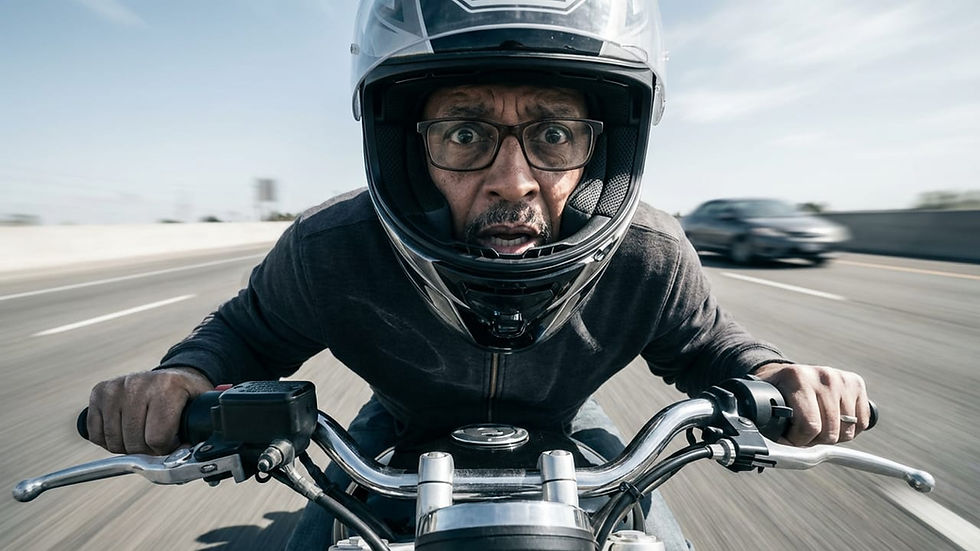
Why Do Motorcyclists Feel Targeted by Reckless Drivers?
Many motorcyclists report feeling endangered by car drivers who seem inattentive or aggressive. This feeling comes from several common experiences:
Cars cutting off motorcycles unexpectedly
Drivers failing to check blind spots before changing lanes
Sudden stops or turns that leave little reaction time
Close passes that reduce safe space
These situations can feel like deliberate acts, especially when they happen repeatedly. The smaller size of motorcycles compared to cars makes them less visible, which can lead to dangerous misunderstandings. This visibility issue often fuels the belief that motorists are careless or even hostile.
Are Motorists Intentionally Targeting Motorcyclists?
Research and traffic safety studies show no evidence that most drivers intentionally try to harm motorcyclists. Instead, the problem usually comes down to:
Inattention: Drivers distracted by phones, navigation systems, or other passengers may not notice motorcycles.
Misjudgment: Motorcycles are smaller and faster, making it harder for drivers to judge their speed and distance.
Lack of awareness: Some drivers simply do not expect motorcycles and fail to scan the road properly.
In fact, many drivers are unaware of the risks they pose to motorcyclists. This lack of awareness is often unintentional but still dangerous.

Reckless Driving and Its Impact on Motorcyclists
Reckless driving is a major factor in accidents involving motorcycles. This includes behaviors such as:
Speeding
Tailgating
Aggressive lane changes
Running red lights or stop signs
When reckless drivers share the road with motorcyclists, the consequences can be severe. Motorcycles offer less protection than cars, so even minor collisions can cause serious injuries.
Example: The Danger of Tailgating
Imagine a car following a motorcycle too closely on a highway. If the motorcyclist needs to brake suddenly, the car may not have enough time to stop, leading to a rear-end collision. This scenario is common and highlights how reckless driving directly threatens motorcyclists.
How Motorcyclists Can Improve Their Safety
While motorists must drive responsibly, motorcyclists can also take steps to reduce risks:
Wear high-visibility gear to increase visibility
Use defensive riding techniques, such as anticipating other drivers’ actions
Avoid blind spots by positioning themselves where drivers can see them
Signal intentions clearly and early to alert other road users
Stay alert and avoid distractions
These strategies help motorcyclists protect themselves, even when sharing the road with inattentive or reckless drivers.
The Role of Education and Awareness
Improving safety for motorcyclists requires better education for all road users. Campaigns that teach drivers to watch for motorcycles and understand their behavior can reduce accidents. Likewise, rider training programs that emphasize defensive riding skills help motorcyclists navigate traffic more safely.
Law enforcement also plays a role by targeting reckless driving behaviors that endanger everyone, including motorcyclists.
Changing the Narrative
The idea that motorists are "out to kill" motorcyclists is a powerful expression of fear but can also create unnecessary tension between drivers and riders. Recognizing that most drivers do not intend harm helps shift the focus to shared responsibility and safer roads for everyone.
Motorcyclists and motorists alike benefit from mutual respect and understanding. When both groups recognize the challenges each faces, they can work together to reduce accidents and improve safety.

Comments