


Essential Tips for Keeping Your Motorcycle Helmet Fresh and Clean

Updated: Dec 22, 2025
Riding your motorcycle is thrilling, but the helmet you wear can quickly become a source of discomfort if it’s not properly maintained. A helmet that smells bad or feels grimy inside can ruin your ride and even affect your safety. Keeping the inside of your motorcycle helmet fresh and clean is essential for comfort, hygiene, and extending the life of your gear. This guide offers practical tips to help you maintain your helmet’s interior so every ride feels fresh and comfortable.
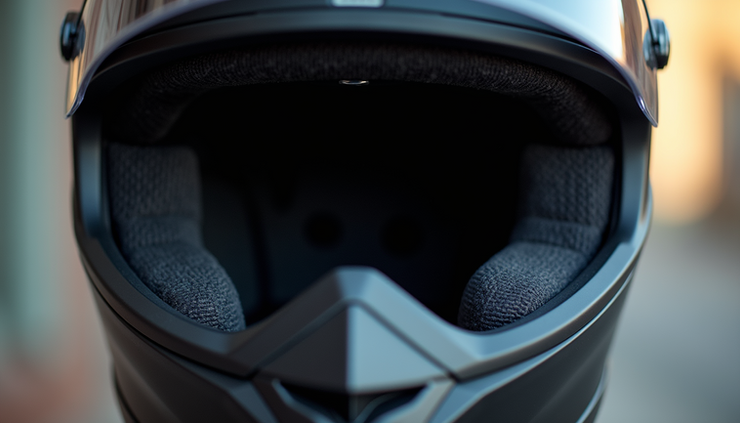
Why Keeping Your Helmet Interior Clean Matters
The inside of your helmet collects sweat, oils, dirt, and bacteria every time you ride. Over time, this buildup can cause unpleasant odors, skin irritation, and even damage the helmet’s padding. A clean helmet interior:
Prevents bad smells
Reduces the risk of skin problems like acne or rashes
Maintains the helmet’s comfort and fit
Extends the lifespan of the helmet’s padding and liners
Ignoring helmet hygiene can lead to discomfort and may even discourage you from wearing your helmet properly.

Remove and Wash Removable Liners Regularly
Most modern helmets come with removable liners and cheek pads. These parts are designed to be taken out and washed. Follow these steps:
Remove the liners carefully according to the helmet’s manual
Hand wash them with mild soap and warm water
Avoid harsh detergents or bleach, which can damage the fabric
Rinse thoroughly to remove all soap residue
Air dry completely before reinstalling to prevent mold and mildew
Washing liners every few weeks, or more often if you ride daily, keeps the interior fresh and hygienic.
Clean Non-Removable Liners with Care
If your helmet has non-removable liners, you can still clean them without damaging the helmet:
Use a damp cloth with mild soap to gently wipe the interior
Avoid soaking the helmet or using excessive water
Use a soft brush to remove dirt from hard-to-reach areas
Allow the helmet to air dry fully in a well-ventilated area, away from direct sunlight or heat sources
This method helps remove sweat and grime without compromising the helmet’s structure.
Use Helmet-Specific Cleaning Products
There are cleaning sprays and foams made specifically for motorcycle helmets. These products:
Help neutralize odors
Clean without damaging padding or fabric
Often contain antibacterial agents to reduce bacteria buildup
Spray the interior lightly after rides or during cleaning sessions. Always check the product instructions and test on a small area first.
Dry Your Helmet Properly After Each Ride
Sweat and moisture trapped inside the helmet create the perfect environment for bacteria and odor. To avoid this:
Remove liners if possible and let them dry separately
Store your helmet in a dry, ventilated place
Avoid leaving your helmet in a damp bag or trunk for long periods
Use a helmet drying rack or stand to promote airflow
Proper drying prevents mold growth and keeps your helmet smelling fresh.
Use Helmet Deodorizers or Fresheners
If odors persist, consider using helmet deodorizers. Options include:
Activated charcoal bags that absorb moisture and smells
Cedar wood inserts that naturally freshen the interior
Commercial helmet fresheners designed to be safe for padding
Place these inside your helmet when not in use to maintain a pleasant scent.
Avoid Wearing Your Helmet Without a Clean Head Cover
Wearing a clean balaclava or helmet liner cap can reduce sweat and oils reaching the helmet’s interior. These covers are:
Easy to wash regularly
Help protect the helmet padding
Improve comfort by reducing friction
Using a head cover extends the time between deep cleanings and keeps the helmet fresher.
Replace Helmet Liners When Needed
Even with regular cleaning, liners wear out over time. Signs you need new liners include:
Persistent bad odor after cleaning
Padding feels compressed or less comfortable
Visible wear or damage to fabric
Check with your helmet manufacturer for replacement parts. Installing fresh liners restores comfort and hygiene.
Thank you for reading this article. Please leave us a like and comment below. Your feedback helps us with content you want to see.


Comments