


Understanding Motorcycle Engine Oil Numbers and Choosing the Best Oil for Your Ride


When it comes to motorcycle maintenance, engine oil plays a crucial role in keeping your bike running smoothly. But the numbers on the oil container can be confusing if you don’t know what they mean. Understanding these numbers helps you pick the right oil that protects your engine, improves performance, and extends the life of your motorcycle. This guide breaks down what those numbers mean and offers practical advice on choosing the best oil for your ride.
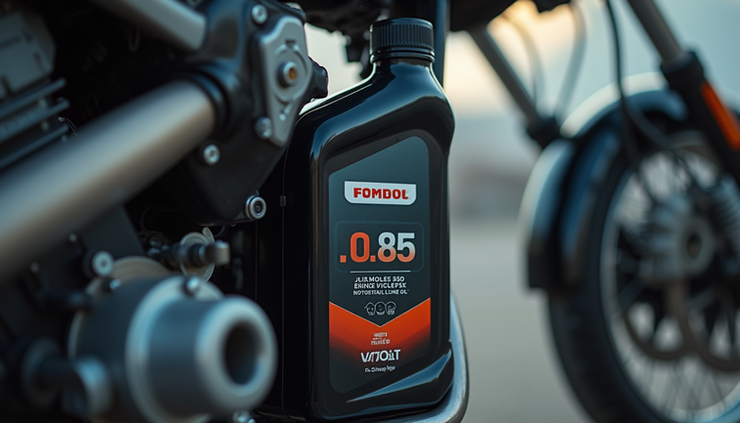
What Do the Numbers on Motorcycle Engine Oil Mean?
Motorcycle engine oil labels usually have numbers like 10W-40 or 20W-50. These numbers describe the oil’s viscosity, which is its thickness and how well it flows at different temperatures.
The first number, followed by a W (which stands for winter), indicates the oil’s viscosity at low temperatures. A lower number means the oil flows more easily when cold, which helps with cold starts.
The second number shows the oil’s viscosity at high operating temperatures. A higher number means the oil is thicker and can protect the engine better when it’s hot.
For example, 10W-40 oil behaves like a 10-weight oil when cold and a 40-weight oil when hot. This means it flows well during cold starts but still provides strong protection when the engine heats up.
Why Viscosity Matters
Viscosity affects how well the oil lubricates engine parts. If the oil is too thick when cold, it won’t circulate quickly enough, causing wear during startup. If it’s too thin when hot, it won’t protect moving parts from friction and heat damage.
Motorcycle engines often run hotter and under more stress than car engines, so choosing the right viscosity is essential. Using oil with the wrong viscosity can lead to poor performance, increased engine wear, or even damage.
Other Important Oil Ratings to Know
Besides viscosity, motorcycle oils have other ratings that indicate their quality and suitability:
API Service Classification: This rating shows the oil’s performance level and the type of engines it’s designed for. Look for oils labeled with API SN or higher for modern motorcycles.
JASO Rating: The Japanese Automotive Standards Organization (JASO) rating is important for motorcycles with wet clutches. JASO MA or MA2 oils are designed to prevent clutch slippage and provide proper friction.
Synthetic vs. Mineral Oil: Synthetic oils offer better protection, last longer, and perform well in extreme temperatures. Mineral oils are less expensive but may require more frequent changes.
How to Choose the Best Oil for Your Motorcycle
Choosing the right oil depends on several factors, including your bike’s engine type, riding conditions, and manufacturer recommendations.
Follow Manufacturer Recommendations
Always check your motorcycle’s owner manual for the recommended oil viscosity and specifications. Manufacturers test their engines with specific oil types to ensure optimal performance and protection.
Consider Your Riding Conditions
Cold climates: Choose oil with a lower “W” number for better cold starts.
Hot climates or heavy use: Higher viscosity oils protect better under heat and stress.
High-performance or racing bikes: Synthetic oils with high JASO MA2 ratings offer superior protection.
Synthetic or Conventional Oil
Synthetic oils provide better engine cleanliness, oxidation resistance, and temperature stability. They are ideal for riders who want longer oil change intervals and better protection under extreme conditions.
Conventional oils are suitable for casual riders or older motorcycles but require more frequent changes.
Examples of Popular Motorcycle Oils
Mobil 1 Racing 4T 10W-40: Fully synthetic, excellent for high-performance bikes.
Castrol Power 1 20W-50: Good for older or air-cooled engines.
Motul 7100 10W-40: Synthetic oil with JASO MA2 rating, great for wet clutches.

Tips for Maintaining Your Motorcycle Engine Oil
Change oil regularly according to your motorcycle’s manual or more often if you ride in harsh conditions.
Use a quality oil filter to keep contaminants out.
Check oil levels frequently and top up if needed.
Avoid mixing different types or brands of oil unless specified.
Choosing the right oil and maintaining it properly ensures your motorcycle runs smoothly, reduces wear, and keeps your engine healthy for many miles.
Be the first to receive our latest content by subscribing today! Please like, share and comment.

Comments