


Overcoming Fear of Riding a Motorcycle at Night and Effective Solutions

Riding a motorcycle at night can be intimidating for many riders. The darkness reduces visibility, making it harder to spot hazards and increasing the risk of accidents. Fear of riding after sunset is common, but it doesn’t have to keep you off the road. Understanding the reasons behind this fear and applying practical solutions can help riders gain confidence and enjoy safe nighttime rides.
Why Riding a Motorcycle at Night Feels Scary
Several factors contribute to the fear of riding a motorcycle in the dark. These include:
Reduced Visibility
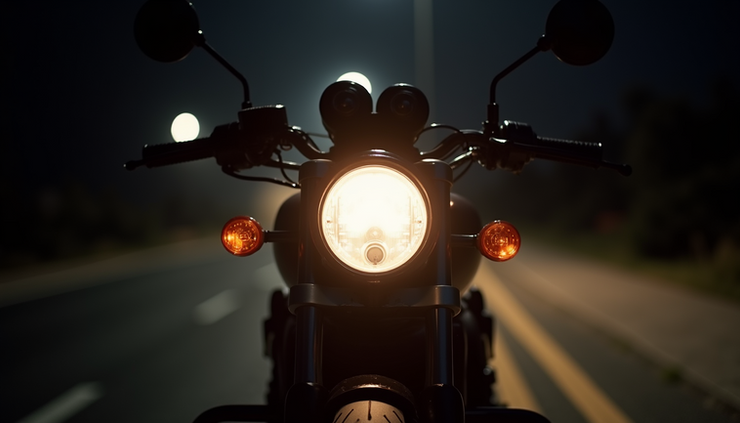
Darkness limits how far and how clearly you can see the road, obstacles, and other vehicles. Headlights and streetlights provide some illumination, but shadows and glare can hide hazards.
Increased Risk of Accidents
Studies show that motorcycle crashes are more likely to happen at night. Drivers may have trouble seeing motorcycles, and riders may miss road signs or debris.
Fatigue and Reduced Alertness
Riding at night often means you are more tired. Fatigue slows reaction times and reduces focus, making it harder to respond quickly to unexpected situations.
Unfamiliar or Poorly Lit Roads
Roads without proper lighting or unfamiliar routes increase anxiety. Not knowing what lies ahead can cause hesitation and stress.
Fear of Wildlife or Other Unexpected Obstacles
Animals crossing the road or pedestrians can appear suddenly in the dark, increasing the chance of a collision.
Practical Solutions to Overcome Night Riding Fear
Fear can be managed by preparing properly and using smart riding techniques. Here are some effective strategies:
Improve Your Motorcycle’s Lighting
Upgrade to brighter, high-quality LED headlights. They offer better illumination and last longer than traditional bulbs.
Add auxiliary lights or fog lights to increase your field of vision.
Use reflective tape or decals on your bike and gear to make yourself more visible to others.
Wear Proper Riding Gear
Choose gear with reflective elements, especially jackets, helmets, and gloves.
Use a helmet with an anti-fog visor to maintain clear vision.
Dress in layers to stay comfortable and alert during cooler night temperatures.
Plan Your Route and Timing
Stick to familiar roads that are well-lit and have less traffic.
Avoid riding late at night when fatigue is highest.
Check weather conditions before heading out to avoid rain or fog that reduce visibility.
Practice Defensive Riding
Increase your following distance to allow more reaction time.
Slow down in poorly lit or unfamiliar areas.
Be extra cautious at intersections and watch for vehicles that may not see you.
Use your horn or flash your lights to alert others when necessary.
Build Confidence Gradually
Start by riding during dusk or early evening when there is still some natural light.
Take short rides at night to get used to the conditions.
Ride with a buddy who is experienced in night riding for support and guidance.
Maintain Your Motorcycle Regularly
Keep headlights, taillights, and indicators clean and in good working order.
Check tire condition and pressure to ensure safe handling.
Make sure brakes respond well, as stopping distances can increase at night.
Mental Preparation and Mindset
Fear often comes from uncertainty and lack of control. Preparing mentally can reduce anxiety:
Visualize a safe and smooth ride before you start.
Focus on your breathing to stay calm and alert.
Accept that some fear is normal but does not have to control your actions.
Remind yourself of your skills and past successful rides.
When to Avoid Riding at Night
Sometimes the best solution is to avoid riding in risky conditions:
If you feel too tired or unwell, postpone your ride.
Avoid riding in heavy rain, fog, or icy conditions.
If the route is unfamiliar and poorly lit, consider alternative transportation.

Comments