


The Impact of Road Salt on Your Motorcycle and Effective Cleaning Methods

Riding your motorcycle through winter roads can be challenging, but the real threat often hides in plain sight: road salt. While it keeps roads safe by melting ice, road salt can cause serious damage to your motorcycle if not properly addressed. Understanding how road salt affects your bike and knowing the best ways to clean it off will help you protect your investment and keep your motorcycle running smoothly.

How Road Salt Affects Your Motorcycle
Road salt is primarily composed of sodium chloride or other chemical compounds designed to lower the freezing point of water. When it comes into contact with your motorcycle, it can cause several problems:
Corrosion and Rust
Salt accelerates the oxidation process on metal parts. This leads to rust forming on the frame, exhaust pipes, brake components, and other exposed metal surfaces. Rust weakens the structural integrity of these parts and can cause expensive damage over time.
Damage to Paint and Finishes
Salt can eat away at paint and protective coatings, causing them to chip or peel. This exposes the underlying metal to further corrosion and reduces the aesthetic appeal of your motorcycle.
Electrical Issues
Salt residue can infiltrate electrical connections and sensors, causing shorts or malfunctions. This can affect everything from your bike’s lighting to its ignition system.
Wear on Tires and Suspension
Salt mixed with dirt and grime creates an abrasive slurry that can wear down tires and suspension components faster than usual.
Signs Your Motorcycle Has Been Affected by Road Salt
Knowing what to look for can help you catch salt damage early:
White or gray crusty residue on wheels, frame, or undercarriage
Flaking or bubbling paint
Rust spots appearing on metal parts
Electrical glitches or warning lights
Unusual noises from suspension or brakes
Best Practices for Cleaning Road Salt Off Your Motorcycle
Cleaning your motorcycle promptly after exposure to road salt is crucial. Here’s a step-by-step guide to protect your bike:
1. Rinse Thoroughly with Water
Start by rinsing your motorcycle with lukewarm water to remove loose salt and dirt. Use a hose with moderate pressure or a bucket of water. Avoid high-pressure washers directly on sensitive parts like bearings or electrical components.
2. Use a Motorcycle-Safe Cleaner
Apply a cleaner specifically designed for motorcycles or a mild automotive soap. These products help break down salt deposits without damaging paint or metal. Use a soft sponge or microfiber cloth to gently scrub all surfaces, paying special attention to the undercarriage, wheels, and chain.
3. Clean the Chain and Lubricate
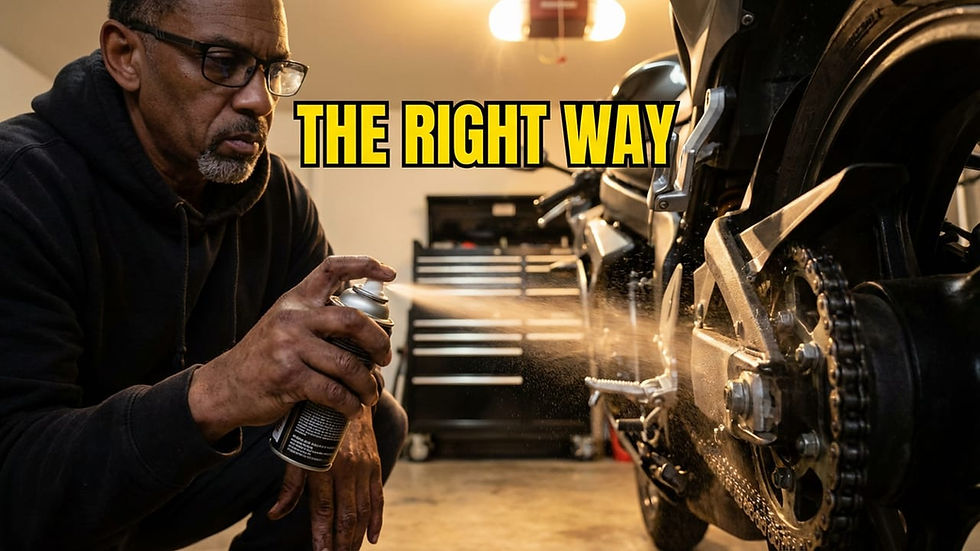
Salt can dry out and corrode your chain. Use a chain cleaner to remove salt residue, then apply a high-quality chain lubricant to protect it from rust and wear.
4. Dry Your Motorcycle Completely
After washing, dry your bike thoroughly with a clean microfiber towel. Moisture left on metal parts can accelerate corrosion.
5. Inspect and Protect
Check for any signs of rust or damage. Apply a protective wax or sealant to painted surfaces to create a barrier against future salt exposure. For metal parts, consider using a corrosion inhibitor spray.

Additional Tips to Minimize Salt Damage
Wash Your Motorcycle Regularly During Winter
Frequent cleaning prevents salt from building up and causing long-term damage.
Avoid Riding Immediately After Salt Application
If possible, wait a few hours after roads have been salted to reduce salt contact.
Store Your Motorcycle Properly
Keep your bike in a dry, covered area to limit exposure to moisture and salt residue.
Use Protective Covers
When not in use, a breathable motorcycle cover can shield your bike from airborne salt particles.
Consider Protective Coatings
Some riders invest in ceramic coatings or specialized rust-proofing treatments for extra protection.
Why Timely Cleaning Matters
Salt damage can escalate quickly. What starts as minor surface corrosion can lead to structural problems, costly repairs, and even safety risks. Regular cleaning and maintenance not only preserve your motorcycle’s appearance but also extend its lifespan and maintain its performance.
Taking care of your motorcycle after exposure to road salt is a small effort that pays off in the long run. By following the cleaning steps and preventive tips outlined here, you can enjoy riding year-round without worrying about salt damage.
Maybe you have some tips on keeping your motorcycle clean that you would like to share. We'd love to hear from you.


Comments